Roadmaps, specifications and product images
Roadmaps, specifications and launch plans circulate as documents and presentations, with product photographs, renderings and demonstration videos beside them.
Technology companies and manufacturers share roadmaps, specifications and unannounced products with their own teams and with a chain of suppliers and partners. Invisproof issues each recipient an individual copy with an invisible watermark, so that material found outside its intended audience can be identified.
Roadmaps, specifications and launch plans circulate as documents and presentations, with product photographs, renderings and demonstration videos beside them.
The material is read by product, engineering and sales teams, and by component suppliers, contract manufacturers, channel partners and agencies.
A product's features, price and date are confidential until its announcement, and the supply chain learns of them months in advance.
Invisproof issues every recipient inside and outside the company a copy of their own, and nothing is installed on any device.
The Document Engine and the Media Engine prepare an individual copy of each document, image and video for every team member, supplier and partner.
Employees sign in through the company's identity provider, and suppliers and partners open their copies with a passcode or a one-time code sent by email.
If details of an unannounced product are found outside their intended audience, an investigation compares the material with the copies issued and identifies the copy it came from.
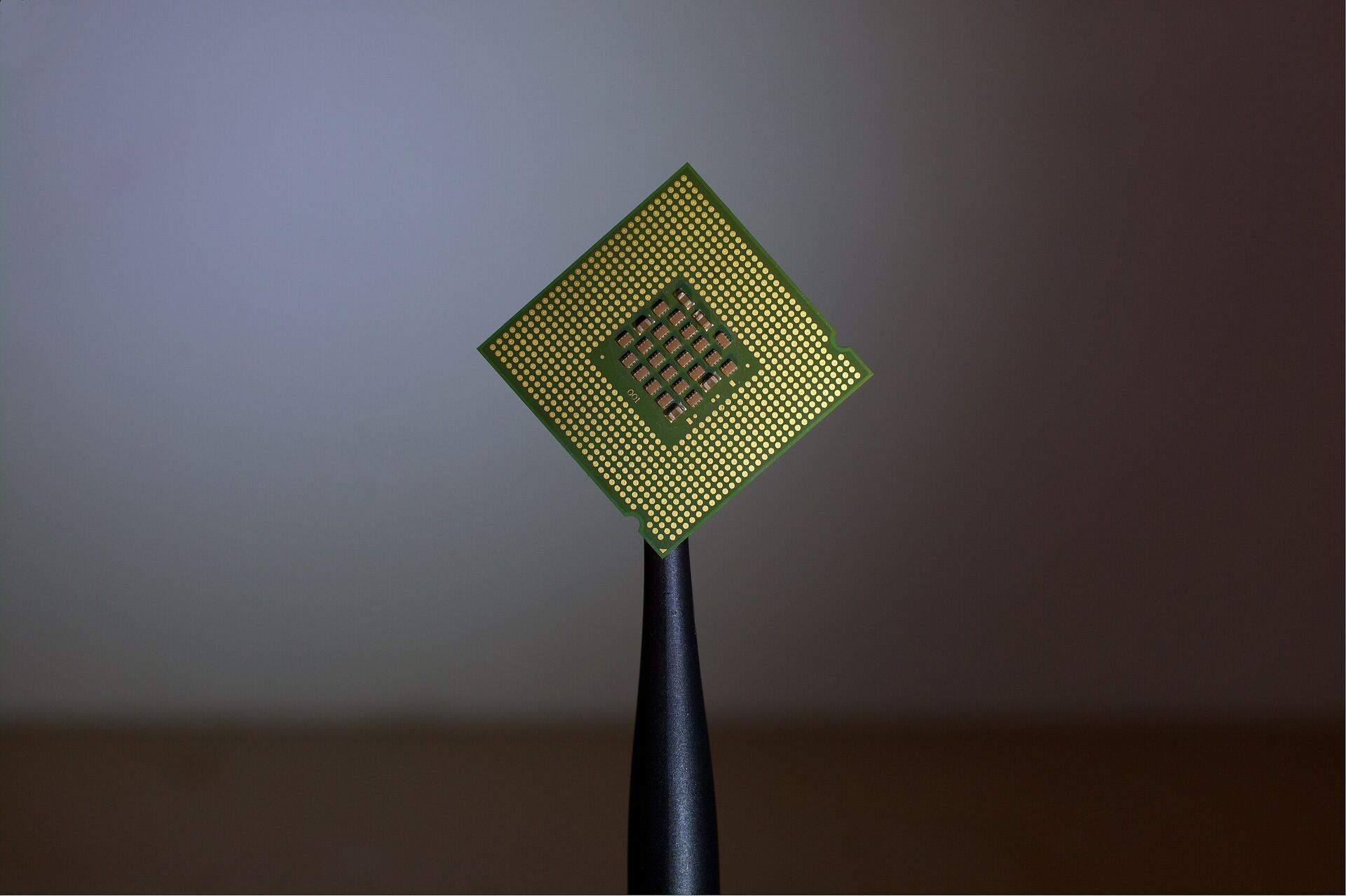
Roadmaps and plans are shared widely inside a company and with selected partners.
Specifications reach component suppliers and contract manufacturers long before a product is announced.
Launch material is prepared with agencies, partners and the press.
Technical documents are shared with partners and prospective customers under confidentiality agreements.
A file is opened in the secure viewer in a browser, with nothing to download and nothing to install. The organization decides which files are opened only in this way.
Where the organization permits it, a recipient saves a copy in its original format. The copy opens in the usual applications, can be viewed offline and keeps its watermark.
Members of the organization sign in with their accounts. Recipients outside it need no account, and open a file with a passcode or a one-time code sent to their email address.
A file found outside its intended audience is submitted for investigation, which compares it with the copies issued and states the probability that it came from a given copy.


Roadmaps and launch plans can be given to the teams and partners who must act on them. Because each copy remains accountable, a wide audience is less of a concern than it would otherwise be.
When details of a product appear before its announcement, an investigation of the found material identifies the copy it came from.
A finding concerns one copy. Employees and suppliers who handled their own copies properly are not made the subject of a general inquiry.
An administrator adds members in a batch, or lets them join as they sign in through the company's identity provider. Nothing is installed on any device.
Employees sign in through the identity provider the company already uses, and a second factor is required by default.
No. Recipients outside the company open a file with a passcode or with a one-time code sent to their email address.
No. Data loss prevention is concerned with material leaving the network without permission. Invisproof is concerned with what was shared with permission, which it issues as individual copies and can later identify.

Specifications, designs and findings, issued as an individual copy to each team and supplier while a product is confidential.
View use case
A file found outside its intended audience, compared with the copies that were issued and matched to the copy it came from.
View use case
Screeners, mixes and stills, issued as an individual copy to each reviewer, partner and distributor before release.
View use case
Scripts, cuts, masters and artwork, issued by studios, labels and publishers as an individual copy to each recipient.
View solutionInvisproof is provided to organizations by approval.